

Feeling Sluggish? 5 Early Warning Signs of Low Testosterone You Shouldn't Ignore
Feeling constantly tired? Discover five early warning signs of low testosterone and learn how our team can help you safely restore your energy and vitality.
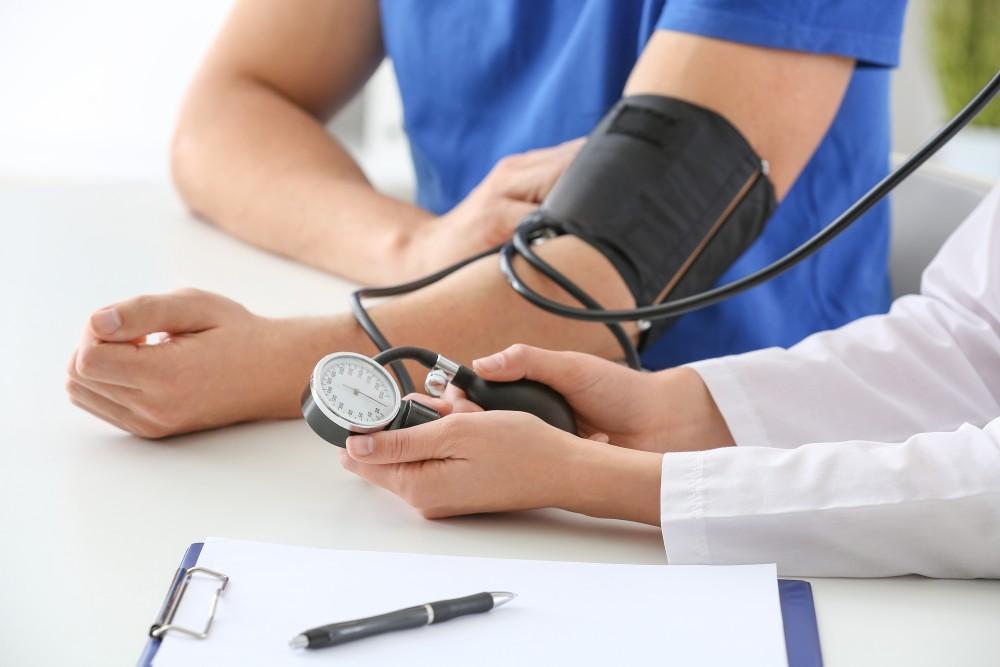
High blood pressure, clinically known as hypertension, is often called a silent killer because it typically progresses without obvious symptoms.
Millions of adults live with elevated blood pressure for years without realizing it, all while damage is quietly occurring to their blood vessels, heart, and other vital organs.
Left unchecked, chronic high blood pressure significantly increases the risk of heart disease, heart attack, stroke, and kidney failure. Prioritizing preventive care is key to identifying these risks early.
The good news is hypertension is manageable — and often preventable. At Keven Tagdiri, M.D., in Encinitas, California, our internal medicine experts help patients protect their cardiovascular health through proactive prevention, proper diagnostics, and personalized treatment plans.
Blood pressure is the force that circulating blood exerts against the walls of your body's arteries. A normal reading is generally defined as less than 120/80 mmHg.
When blood pressure remains consistently high, defined as high blood pressure, the force exerted stresses the arterial walls, causing them to stretch, stiffen, and weaken over time.
Because hypertension rarely causes noticeable warning signs early on, regular blood pressure screenings during an annual preventative physical or a comprehensive health assessment are essential.
Waiting for severe symptoms, such as chest pain or shortness of breath, to appear means damage may already have occurred.
Adopting healthy habits is one of the most effective ways to lower blood pressure naturally and reduce reliance on medication:
Focus on whole foods, including fruits, vegetables, lean proteins, and whole grains. Reducing sodium (salt) intake is particularly critical, as excess sodium causes the body to retain fluids, increasing pressure within blood vessels.
Aim for at least 150 minutes of moderate aerobic activity — such as brisk walking, swimming, or cycling — each week to strengthen the heart and improve vascular efficiency.
Losing even a modest amount of excess weight can significantly improve blood pressure numbers.
Chronic mental stress triggers hormonal spikes that constrict blood vessels and increase heart rate. Practicing mindfulness, yoga, or deep breathing exercises can support cardiovascular health.
Smoking damages the lining of arterial walls, while excessive alcohol consumption raises blood pressure. Quitting smoking and moderating alcohol intake offer immediate health benefits.
While lifestyle modifications are foundational, comprehensive cardiology assessment and medical supervision are often necessary to achieve optimal blood pressure control.
An internal medicine specialist can help identify underlying factors contributing to hypertension, perform in-house diagnostics, suggest specialized care models, such as concierge medicine, and prescribe targeted antihypertensive medications when appropriate.
Routine checkups, regular home monitoring, and open communication with your primary care physician keep your management plan effective and tailored to your evolving health needs.
Don't wait for symptoms to appear before prioritizing your cardiovascular health. Taking proactive steps today can safeguard your cardiovascular system for years to come.
Contact Keven Tagdiri, M.D., to schedule your comprehensive health assessment and blood pressure evaluation.


